Why a Clear Florist Brief Matters for Themed Parties
Throwing a themed party is all about immersion. Whether you’re planning a 1920s speakeasy, a tropical luau, or a whimsical woodland gathering, the flowers set the tone before your guests even take their first sip of champagne. But a florist isn’t a mind reader. Without a detailed brief, you risk receiving arrangements that clash with your theme, your colour palette, or your venue’s lighting. A well-crafted brief saves time, reduces stress, and ensures your floral displays become the talk of the party. Below, we walk you through exactly how to brief a florist for a themed event, from mood boards to practical logistics.
When briefing your florist about a Ginja casino event, share colour swatches and mood boards.
Start with the Theme and Story
Before you discuss stems and vases, explain the narrative of your party. Is it a Great Gatsby-inspired evening with gold accents and crystal? A rustic barn dance with wildflowers and hessian? A Moroccan nights theme with jewel tones and brass lanterns? Your florist needs to understand the atmosphere you want to create. Share any invitations, dress code details, or décor items you’ve already chosen. The more context you give, the better they can translate your vision into flowers that feel intentional rather than generic.
Provide a Detailed Colour Palette
Colour is the fastest way to signal a theme. Instead of saying ‘red and gold’, specify shades: burgundy, crimson, blush, or cherry red? Metallic gold, antique brass, or rose gold? Bring physical swatches from fabric, ribbon, or paint chips. If you’re working with a venue that has existing colours—like dark wood panelling or bright wallpaper—photograph those areas and share them. Your florist can then suggest blooms that harmonise or contrast deliberately. Remember that flower colours vary by season, so ask what’s achievable and what substitutes might work.
Share Mood Boards and Visual References
Pinterest boards, Instagram saves, and magazine tears are invaluable. But don’t just send a link—annotate it. Point out what you love: the shape of the arrangement, the texture of the foliage, the height, the density. If you hate something, say so. For example, ‘I love the loose, garden-gathered look but I don’t want any baby’s breath.’ Visual references reduce miscommunication and give your florist a clear target. If you have a venue walkthrough video or photos, include those too, so they can see the space, light levels, and existing architecture.
Specify the Types of Arrangements Needed
Different areas of your party require different floral treatments. Be explicit about what you need and where. Consider this checklist:
- Entrance or welcome table: a statement piece or two smaller arrangements?
- Table centres: low and lush to encourage conversation, or tall and dramatic?
- Bar or buffet: a garland, a single vase, or scattered bud vases?
- Photo booth or feature wall: a floral backdrop or hanging installation?
- Restrooms: small posies or single stems for a thoughtful touch.
- Ceiling or chandelier: hanging arrangements or trailing vines?
Also note whether you want fresh, dried, or preserved flowers. Dried flowers suit boho or rustic themes, while fresh blooms feel luxurious and romantic. If you’re on a budget, ask about mixing fresh with dried or using more foliage.
Discuss Logistics: Venue, Timing, and Budget
Your florist needs practical details to quote accurately. Provide the venue address, delivery time, and setup window. Confirm whether they need to remove packaging or stay for the event. Ask about insurance and whether the venue has any restrictions on open flames, hanging points, or water damage. Budget is critical: give a realistic range and ask what that buys. Be honest if you have flexibility—sometimes spending slightly more on a focal point is better than spreading thin across every surface. Also clarify who dismantles the flowers and whether you want to donate them afterwards.
Ask About Seasonal Availability and Substitutions
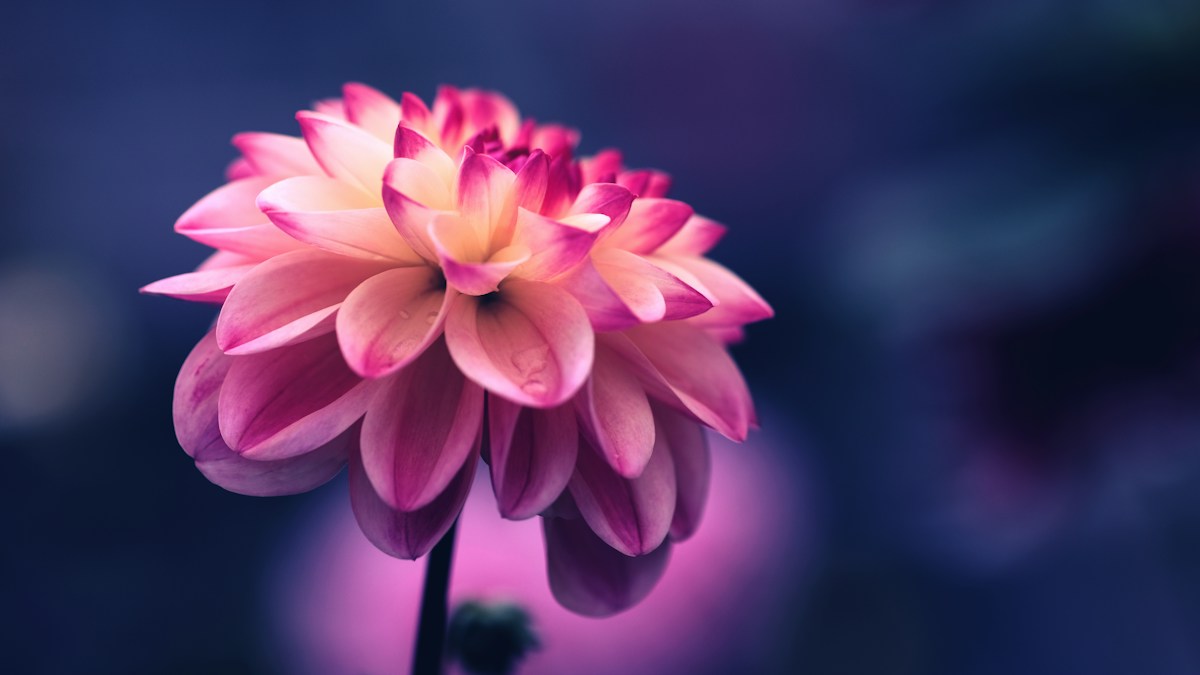
No florist can guarantee specific blooms year-round. If your theme relies on peonies in December or tulips in August, you’ll pay a premium or need alternatives. Ask your florist to suggest seasonal options that match your palette and texture. For example, ranunculus in spring, dahlias in late summer, or amaryllis in winter. Agree on a substitution policy in advance: if a flower isn’t available, what can replace it without breaking the theme? This avoids last-minute surprises.
Finalise the Brief in Writing
After your conversation, ask your florist to send a written summary: theme, colours, arrangement list, quantities, delivery time, setup details, and total cost. Review it carefully and confirm any changes. A written brief protects both parties and ensures that on the day, everyone is working from the same script. With a clear, thoughtful brief, your florist can transform your themed party into a floral masterpiece that guests will remember long after the last dance.